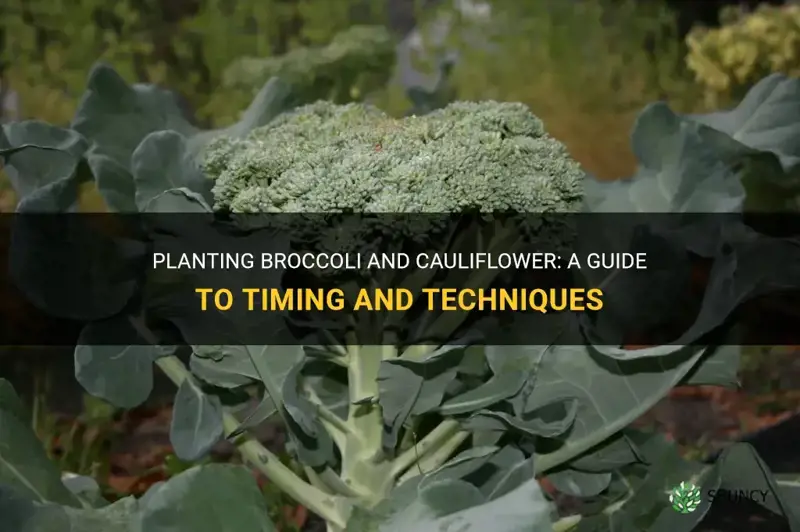
Unlocking Garden Potential: The Power of Planting Broccoli & Cauliflower Together
Ever gazed at your garden bed, imagining rows of lush, green vegetables, but felt torn between your favorites? If broccoli and cauliflower are high on your list, you might be surprised to learn that you don't have to choose! Planting broccoli and cauliflower together is not just possible; it's a gardening strategy that can significantly boost your yield, conserve space, and even improve the overall health of your plants. This symbiotic relationship between two of the garden's most beloved cool-season cruciferous vegetables offers a multitude of benefits, transforming your patch into a hub of productivity.
For many gardeners, the idea of maximizing output from limited space is a constant pursuit. By strategically co-cultivating these two nutrient-rich powerhouses, you're not just growing vegetables; you're creating a dynamic ecosystem that supports vigorous growth and reduces common gardening headaches. From natural pest deterrents to balanced nutrient uptake, the advantages are compelling. Let's delve into how planting broccoli and cauliflower can become a game-changer for your garden, ensuring a more abundant and healthier harvest.
Why Plant Broccoli & Cauliflower Together? The Synergy in Your Garden
When you decide on planting broccoli cauliflower side by side, you're tapping into a natural synergy that benefits both plants and your garden as a whole. Far beyond simple space-saving, this pairing fosters a healthier environment for these cruciferous cousins to thrive. Their complementary growth habits and shared needs make them ideal companions, leading to a more robust and resilient garden.
Maximizing Space and Efficiency
One of the most immediate and appealing benefits of planting broccoli and cauliflower together is the incredible space efficiency it offers. Both plants have similar growth requirements, reaching comparable heights and widths, making them perfect for shared garden beds. By allocating a single area for these two, you free up valuable real estate that can be used for other crops you've been eager to grow. This strategic use of space is particularly advantageous for urban gardeners or those with smaller plots, allowing for a more diverse and productive harvest from a compact footprint. Imagine harvesting two distinct, delicious vegetables from the same footprint you might have previously dedicated to just one!
Natural Pest & Disease Management
The concept of companion planting is deeply rooted in natural pest control, and broccoli and cauliflower are excellent examples of this principle in action. While the reference context suggests they "naturally repel pests that can harm each other," a more accurate understanding is that their combined presence can confuse or deter common Brassica pests like cabbage worms, cabbage loopers, and flea beetles. The slight variations in their leaf textures, growth patterns, and possibly even subtle differences in their emitted volatile compounds can make it harder for pests to locate their preferred host. This natural barrier can significantly reduce the need for chemical interventions, promoting a healthier, more organic gardening practice. Furthermore, healthy plants are naturally more resistant to disease, and the benefits of companion planting contribute to overall plant vigor, indirectly aiding in disease prevention.
Enhancing Soil Health and Nutrient Balance
While broccoli and cauliflower are both "heavy feeders" requiring nutrient-rich soil, their specific demands and root structures can actually complement each other. Broccoli, known for its vigorous leafy growth, tends to require a consistent supply of nitrogen. Cauliflower, on the other hand, needs a good balance of nutrients, including boron, for successful head formation. By growing them together, their slightly different nutrient uptake patterns can prevent the rapid depletion of a single nutrient category from the soil. Their root systems, while similar in depth, might draw nutrients from slightly varied micro-zones within the soil profile, leading to a more balanced and efficient use of available nutrients. This dynamic interaction helps maintain long-term soil health, reducing the likelihood of specific nutrient deficiencies and supporting the microbial life essential for a vibrant garden.
Achieving a Prolonged Harvest
One of the most rewarding aspects of co-cultivating these brassicas is the potential for a continuous, extended harvest. While their growing seasons largely overlap, you can strategically select varieties with slightly different maturity dates or implement successive plantings. For instance, plant an early-maturing broccoli variety alongside a standard cauliflower. As the broccoli finishes its primary harvest, the cauliflower will be reaching its peak. Furthermore, many broccoli varieties offer side shoots after the main head is cut, extending their yield. This continuous production ensures a steady supply of fresh, homegrown vegetables for your kitchen, from early summer into fall, depending on your climate and planting schedule.
Essential Steps for Successful Co-Cultivation
To truly maximize your garden yield when planting broccoli cauliflower together, a little planning goes a long way. These cool-season crops appreciate specific conditions to flourish, and providing them from the outset will set you up for a bountiful harvest.
Choosing the Right Varieties
The first step to success begins with variety selection. While most broccoli and cauliflower varieties can be grown together, consider their specific needs and your local climate.
- Broccoli: Look for varieties that perform well in your zone. Early-maturing types like 'Waltham 29' or 'DiCicco' can be paired with slightly later cauliflower. 'Calabrese' is a popular choice known for good side-shoot production.
- Cauliflower: 'Snowball Y Improved' is a reliable white variety. For a touch of color and extra nutrition, consider purple ('Graffiti') or orange ('Cheddar') varieties. Ensure the cauliflower variety is suitable for your region's heat tolerance, as they can be more sensitive than broccoli.
Consider staggering your planting or choosing varieties with different days to maturity to extend your harvest window.
Site Selection and Soil Preparation
Both broccoli and cauliflower thrive in full sun, meaning at least 6-8 hours of direct sunlight per day. They also prefer consistently moist, well-draining soil rich in organic matter. A slightly acidic to neutral pH (6.0-7.0) is ideal. Before planting, amend your soil generously with compost or well-rotted manure. This will provide the necessary nutrients and improve soil structure, crucial for these heavy feeders. A soil test can help you identify any specific nutrient deficiencies that need addressing.
Optimal Planting Times and Techniques
As cool-season vegetables, timing is paramount. They prefer temperatures between 60-75°F (15-24°C). For most regions, this means planting in early spring for a summer harvest, or late summer for a fall harvest. Avoid planting too early in spring before the last frost, or too late, where extreme summer heat can cause bolting (premature flowering) or 'buttoning' (small, underdeveloped heads) in cauliflower.
Refer to Broccoli & Cauliflower: Your Guide To Optimal Planting Times for detailed regional advice.
When planting seedlings:
- Spacing: Give them ample room. Aim for 18-24 inches (45-60 cm) between plants. While they are companions, overcrowding can still lead to competition for light and nutrients.
- Depth: Plant seedlings at the same depth they were in their nursery pots.
- Watering: Water thoroughly immediately after planting to help establish the roots.
Ongoing Care: Watering, Feeding, and Protection
Consistent care is key for robust heads.
- Watering: Broccoli and cauliflower need consistent moisture. Aim for 1-1.5 inches of water per week, either from rain or irrigation. Inconsistent watering can lead to stress, poor head development, or bitter flavors. Mulching around the plants can help retain soil moisture and suppress weeds.
- Feeding: Supplement their diet with a balanced organic fertilizer every 3-4 weeks, especially if your soil isn't exceptionally rich. A seaweed or fish emulsion can provide a gentle, continuous nutrient supply.
- Protection: Keep an eye out for common pests like cabbage worms. Hand-picking can be effective for small infestations, or consider using row covers early in the season to prevent pest access. For cauliflower, 'blanching' is crucial for white varieties: tie the outer leaves over the developing head when it's about golf-ball size to protect it from sunlight, which can cause yellowing and a slightly bitter taste.
Troubleshooting Common Challenges
Even with the best intentions, gardeners can encounter challenges. For broccoli and cauliflower, common issues include:
- Bolting: If temperatures get too hot too quickly, plants may bolt, producing flowers instead of edible heads. Choose heat-tolerant varieties for warmer climates or plant earlier/later.
- Buttoning: Small, prematurely formed cauliflower heads, often due to stress from fluctuating temperatures, inadequate water, or nutrient deficiencies. Maintain consistent care.
- Hollow Stem: A brown, hollow stem usually indicates boron deficiency. Ensure your soil is well-amended and consider a trace mineral supplement if soil tests indicate low boron.
- Pest Damage: Cabbage worms are notorious. Inspect leaves regularly. Neem oil or Bacillus thuringiensis (Bt) are organic solutions.
Addressing these issues promptly will help ensure a healthier harvest from your companion planting efforts.
Harvesting Your Bountiful Brassicas
The moment of truth! Harvesting at the right time is crucial for flavor and texture.
- Broccoli: Harvest when the central head is firm and tight, before the individual florets begin to separate and show yellow flowers. Cut the main stem about 6 inches below the head. Many varieties will then produce smaller side shoots, offering an extended harvest.
- Cauliflower: Harvest when the head is firm, white (if blanched), and compact. Cut the main stem below the head, leaving a few protective leaves attached. Unlike broccoli, cauliflower typically produces only one main head.
Enjoy your fresh harvest cooked, steamed, roasted, or even raw in salads!
By harnessing the power of planting broccoli cauliflower together, you're embracing a smarter, more sustainable way to garden. This dynamic duo proves that sometimes, the best strategy is working in harmony with nature. With careful planning and consistent care, your garden can become a testament to abundance, yielding not one, but two fantastic cruciferous vegetables from the same productive patch.
