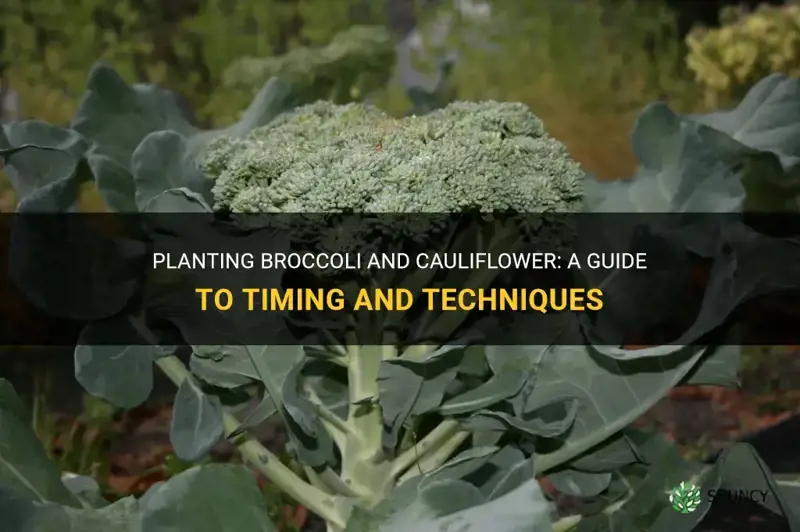
Broccoli & Cauliflower: Your Guide To Optimal Planting Times
Few vegetables offer the nutritional punch and culinary versatility of broccoli and cauliflower. These cruciferous cousins are staples in many kitchens, and growing them yourself can be an incredibly rewarding experience. While they share many similarities, understanding their specific needs, particularly when it comes to planting times, is crucial for a bountiful harvest. Often considered garden besties, knowing the optimal windows for planting broccoli and cauliflower together can truly transform your garden's output and health.
This comprehensive guide will help you pinpoint the ideal moments to sow seeds or set out transplants, ensuring your plants thrive from seedling to harvest. Get ready to cultivate robust, delicious heads of these cool-season champions!
Understanding Broccoli & Cauliflower's Needs: Cool-Season Champions
Both broccoli and cauliflower are classified as cool-season vegetables, meaning they perform best and produce the highest quality heads when temperatures are moderate. They generally prefer daytime temperatures between 60-75°F (15-24°C). This preference dictates their planting windows, as extremes can quickly lead to problems.
- Heat Stress: If temperatures climb too high, especially above 80°F (27°C) during their head formation stage, plants can "bolt" – prematurely flower and go to seed. This results in small, bitter, or open heads unsuitable for harvest. Cauliflower is particularly sensitive to heat.
- Cold Stress: While hardy, young seedlings can suffer from hard frosts. Sustained temperatures below 40°F (4°C) can also hinder growth or even damage developing heads.
- Sunlight: Both require full sun, ideally 6-8 hours of direct sunlight per day, to produce large, healthy heads.
- Soil: They thrive in rich, well-drained soil with a slightly acidic to neutral pH (6.0-7.0). Amending your soil with plenty of organic matter, like compost, before planting is highly recommended.
The Golden Window: Optimal Planting Times for Success
Timing is everything when it comes to planting broccoli cauliflower. There are typically two main planting seasons for most gardeners: spring and fall.
Spring Planting: Beating the Summer Heat
Spring planting aims to give your plants enough time to mature and produce heads before the scorching heat of summer arrives. This window requires careful attention to your region's last expected frost date.
- When to Start Seeds Indoors: For an early start, begin broccoli and cauliflower seeds indoors about 6-8 weeks before your last anticipated spring frost date. This gives seedlings a head start and protects them from initial cold snaps.
- When to Transplant Outdoors: Once the danger of a hard frost has passed and the soil is workable (typically 2-4 weeks before your average last frost date, or when nighttime temperatures consistently stay above 40°F/4°C), you can transplant your seedlings outdoors. If planting seeds directly, wait until after the last frost.
- Key Considerations:
- Hardening Off: Before transplanting, gradually acclimate your indoor-started seedlings to outdoor conditions over 7-10 days. This process, known as "hardening off," involves exposing them to increasing periods of sun, wind, and cooler temperatures.
- Quick Maturing Varieties: Choose varieties with shorter maturity dates for spring planting, as they will be less likely to encounter severe summer heat before harvest.
- Mulch: Applying a layer of organic mulch around the plants can help keep soil temperatures cooler as spring progresses.
Fall Planting: The Sweeter, Often Easier Harvest
Many experienced gardeners prefer fall planting for broccoli and cauliflower, as the cooling temperatures often result in larger, sweeter heads and fewer pest issues. This window requires working backward from your first expected fall frost date.
- When to Start Seeds or Transplants: The general rule of thumb is to plant 85-100 days before your average first fall frost date. This means starting seeds indoors about 12-14 weeks before the first frost, or setting out transplants 8-10 weeks before.
- Timing is Crucial: The goal is for plants to begin forming heads as the weather starts to cool, but before hard frosts arrive to damage them.
- Key Considerations:
- Initial Heat: Early fall plantings might still experience residual summer heat. Provide temporary shade, especially during the hottest parts of the day, to protect young plants.
- Watering: Consistent watering is vital, especially during any lingering dry, warm spells.
- Protection from Early Frosts: If an unseasonably early frost threatens your nearly mature heads, cover them with row covers or blankets overnight.
- Blanching Cauliflower: For white cauliflower, remember to "blanch" the heads by tying the outer leaves loosely over the developing curd once it reaches the size of a chicken egg. This protects it from sunlight, preventing discoloration and maintaining its tender texture.
Regional Nuances
Always consult your local extension office or gardening resources for specific frost dates and recommended planting schedules in your area. Gardeners in very mild climates might even be able to grow broccoli and cauliflower through winter, while those in extremely hot climates may have a very narrow window or need to focus entirely on heat-tolerant varieties.
Starting Strong: Seeds vs. Transplants & Early Care
Whether you choose seeds or transplants, proper initial care sets the stage for success.
- Starting from Seeds:
- Pros: More variety options, cost-effective.
- Cons: Requires more time and attention indoors, longer wait for harvest.
- Tips: Plant seeds 1/2 inch deep in seed-starting mix. Keep consistently moist. Provide bright light (grow lights are ideal).
- Starting from Transplants:
- Pros: Quicker to harvest, often higher success rate, especially for beginners.
- Cons: Limited variety choices, higher initial cost.
- Tips: Plant seedlings deep enough so that the first set of true leaves is just above the soil line. Water thoroughly immediately after planting.
General Early Care:
- Watering: Both plants require consistent, deep watering, especially during dry spells. Inconsistent moisture can lead to bitter flavors or bolting.
- Mulching: Apply a 2-4 inch layer of organic mulch (straw, shredded leaves, wood chips) around your plants. This helps retain soil moisture, suppress weeds, and regulate soil temperature – critical for cool-season crops.
- Fertilization: Broccoli and cauliflower are heavy feeders. Incorporate a balanced organic fertilizer or plenty of compost into your soil before planting. Side-dress with a nitrogen-rich fertilizer once plants are established and again when heads begin to form to promote vigorous growth.
Maximizing Your Harvest: Successive Planting & Companion Benefits
To enjoy a continuous supply of fresh broccoli and cauliflower, consider staggering your plantings.
- Successive Planting: Plant a new batch of seeds or transplants every 2-3 weeks during your optimal spring or fall window. This ensures that instead of one massive harvest, you'll have smaller, more manageable harvests over an extended period. This strategy is fantastic for gardeners who love a steady supply without being overwhelmed.
- Companion Planting: Leveraging the power of companion planting can significantly benefit your broccoli and cauliflower. These two vegetables are natural allies, as discussed in our detailed article, Companion Planting: Why Broccoli & Cauliflower Are Garden Besties. When planted together, they offer benefits such as:
- Pest Control: Certain plants deter pests specific to brassicas.
- Space Optimization: Their similar growth habits allow efficient use of garden space.
- Nutrient Sharing: They draw nutrients from different soil depths, leading to less competition.
- Natural Shade: Larger leaves can provide beneficial shade to developing heads, especially during warmer periods.
Good companions beyond each other include onions, garlic, potatoes, bush beans, and marigolds. Avoid planting them near strawberries, corn, or tomatoes, as they can hinder growth.
Common Pitfalls and How to Avoid Them
Even with perfect timing, gardeners can encounter challenges. Knowing what to look for can save your crop.
- Bolting (Premature Flowering):
- Cause: Primarily heat stress, but also inconsistent watering or prolonged cold snaps followed by sudden heat.
- Prevention: Plant at the optimal times, use quick-maturing varieties in spring, ensure consistent moisture, and use mulch to regulate soil temperature.
- Small Heads or No Heads:
- Cause: Insufficient sunlight, nutrient deficiency (especially nitrogen), extreme temperatures, or inadequate water.
- Prevention: Plant in full sun, prepare rich soil with compost, fertilize appropriately, and maintain consistent moisture.
- Pests: Cabbage worms, cabbage loopers, aphids, and flea beetles are common culprits.
- Prevention: Use row covers from planting until harvest to exclude pests. Handpick visible caterpillars. Introduce beneficial insects. Companion plant with dill, calendula, or nasturtiums. Use organic pest sprays like neem oil or insecticidal soap as a last resort.
- Diseases: Clubroot and black rot are fungal and bacterial diseases that can affect brassicas.
- Prevention: Practice good crop rotation (don't plant brassicas in the same spot for at least 3-4 years). Ensure good soil drainage. Choose disease-resistant varieties.
Harvesting Your Hard Work
When the time comes to harvest, look for firm, compact heads. For broccoli, harvest when the central head is still tight and green, before the individual florets begin to yellow or open. Many varieties will produce smaller side shoots after the main head is cut. For cauliflower, harvest when the curd is firm and white (or its intended color for specialty varieties), usually 6-8 inches in diameter. Cut the stem below the head, leaving a few protective leaves attached.
Mastering the optimal planting times for broccoli and cauliflower is the cornerstone of a successful harvest. By understanding their cool-season preferences, paying attention to your local frost dates, and providing consistent care, you'll be well on your way to enjoying a bountiful supply of these nutritious vegetables. Whether you choose a spring dash or a fall flourish, the reward of fresh, homegrown broccoli and cauliflower is an unparalleled joy for any gardener.
