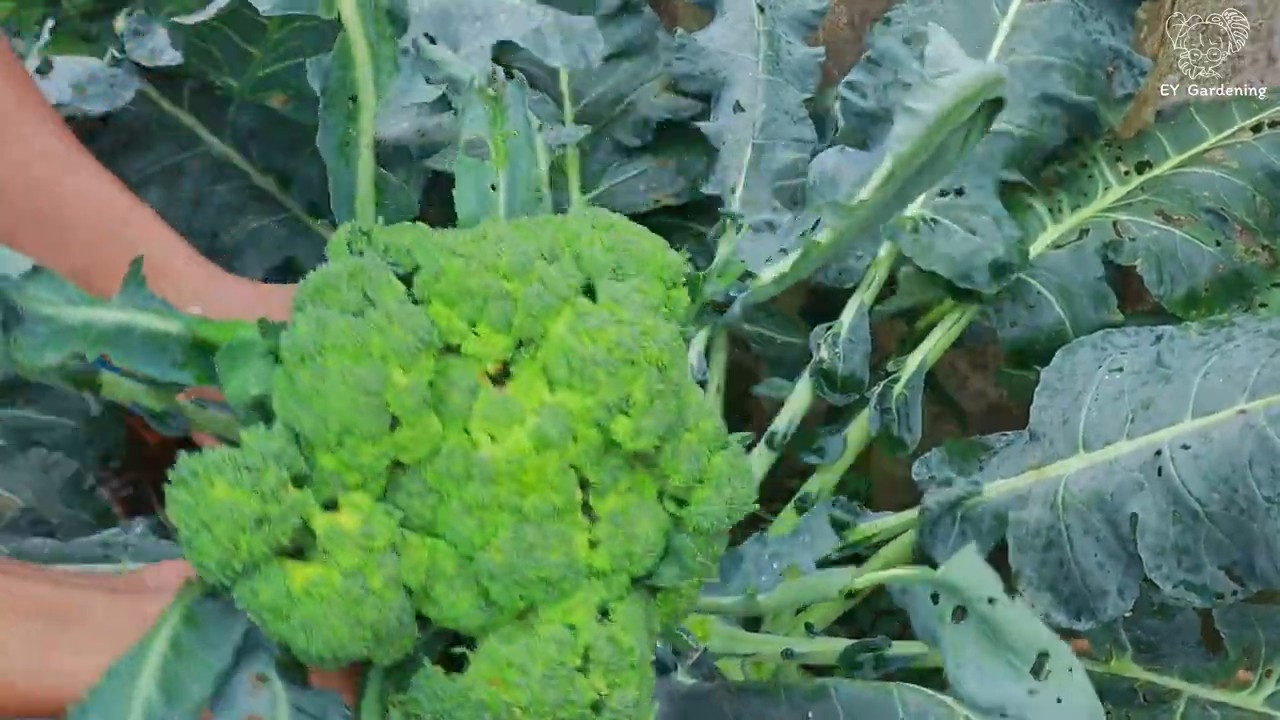
Companion Planting: Why Broccoli & Cauliflower Are Garden Besties
Every gardener dreams of a thriving, productive patch bursting with fresh vegetables. Often, the challenge lies in maximizing space and ensuring plant health. If you've ever found yourself deliberating between broccoli and cauliflower – two magnificent cruciferous vegetables – you’re in luck. The exciting news is that these two garden superstars aren't just compatible; they're bona fide garden besties. **Planting broccoli cauliflower** side-by-side isn't just a space-saving hack; it's a strategic move that can significantly enhance the vitality and yield of your entire garden.
Imagine harvesting both your favorite florets from the same bed, knowing they've supported each other's growth journey. This isn't a gardening fantasy; it’s a reality made possible through the smart practice of companion planting. By understanding the symbiotic relationship between these two brassicas, you can unlock a wealth of benefits, from natural pest control to improved soil health and an extended harvest season. Let’s delve into why planting broccoli and cauliflower together is a game-changer for your edible landscape.
The Undeniable Advantages of Planting Broccoli and Cauliflower Together
When you decide on **planting broccoli cauliflower** in unison, you're not just populating your garden; you're orchestrating a symphony of complementary growth that benefits both plants and the overall ecosystem of your garden. The advantages extend far beyond mere convenience.
Synergistic Growth and Mutual Protection
Broccoli and cauliflower, belonging to the same *Brassica oleracea* species, share an inherent compatibility that allows them to thrive when grown in proximity. Think of them as natural bodyguards for each other. As they mature, their broad, leafy canopies expand, providing a natural form of mutual protection. The taller, more upright growth of some broccoli varieties can offer welcome shade to the slightly more heat-sensitive cauliflower, preventing bolting (premature flowering) during unexpected warm spells. Conversely, the dense foliage of cauliflower can help shield developing broccoli heads from strong winds, reducing physical stress and damage. This shared canopy also helps maintain soil moisture by reducing evaporation, creating a more stable microclimate for both plants.
Maximizing Your Garden Footprint
For many gardeners, space is a precious commodity. Companion planting broccoli and cauliflower is an ingenious way to make the most of every square foot. Their similar growth habits and spatial requirements mean you can arrange them efficiently within the same bed without worrying about one plant overshadowing or stifling the other's development. This efficiency allows you to free up other areas of your garden for an even greater diversity of crops, or perhaps for those exotic herbs or unique flower varieties you’ve been wanting to try. It’s an effective strategy to increase your garden's overall yield without expanding its physical boundaries.
Enhancing Soil Health and Fertility
While they are closely related, broccoli and cauliflower have nuanced differences in their nutrient uptake patterns. Broccoli tends to have a slightly shallower root system, foraging for nutrients closer to the surface, while cauliflower often develops a deeper root structure. This subtle differentiation prevents excessive competition for specific nutrients at the same soil depth. Instead, they work in harmony, accessing different nutrient strata and contributing to a more balanced nutrient profile in the soil. Furthermore, incorporating these brassicas into a thoughtful crop rotation plan, even within the same bed, can help deter soil-borne pests and diseases specific to one cruciferous crop, promoting long-term soil vitality.
Extending Your Harvest Window
One of the most satisfying aspects of companion planting these two brassicas is the potential for a prolonged and continuous harvest. By strategically staggering your **planting broccoli cauliflower** schedule – perhaps planting a batch of each every two to three weeks – you can ensure a steady supply of fresh vegetables from late spring through to early winter, depending on your climate zone. This successive planting strategy, combined with their differing maturation rates (some broccoli varieties mature faster than cauliflower), means you won't be overwhelmed by a single, massive harvest, but rather enjoy a steady stream of delicious, nutritious greens for your table. For more detailed guidance on optimizing your harvest, consider reading our article:
Broccoli & Cauliflower: Your Guide To Optimal Planting Times.
Unlocking the Power of Companion Planting with Brassicas
The concept of companion planting is rooted in the observation that certain plants thrive when grown near each other due to mutual benefits. For broccoli and cauliflower, this isn't just a happy coincidence; it’s a robust horticultural strategy.
Natural Pest Deterrence
One of the most compelling reasons to plant broccoli and cauliflower together is their inherent ability to contribute to natural pest control. While neither plant is a strong repellant on its own, their combined presence can create a more robust defense. The dense foliage of closely planted brassicas can confuse pests like cabbage worms, cabbage loopers, and flea beetles, making it harder for them to locate their preferred host plant. Furthermore, a diverse planting arrangement can attract beneficial insects – such as ladybugs and parasitic wasps – which are natural predators of common brassica pests. This natural barrier reduces the need for chemical interventions, fostering a healthier, more organic garden environment.
Optimal Resource Utilization
Beyond space and nutrients, broccoli and cauliflower efficiently utilize other vital resources when grown together. Their similar needs for full sun (at least 6-8 hours daily) and consistent moisture mean you can manage their watering and light exposure effectively. This shared requirement simplifies irrigation schedules and ensures both plants receive adequate sunlight without one shading out the other excessively. Their harmonious growth pattern ensures that all available resources—light, water, and nutrients—are put to optimal use, leading to stronger, more productive plants.
Shared Environmental Preferences
Crucial to their success as garden companions are their shared environmental preferences. Both broccoli and cauliflower are cool-season crops, thriving in temperatures between 60-75°F (15-24°C). They both prefer rich, well-draining soil with a slightly acidic to neutral pH (6.0-7.0) and require consistent moisture. This common ground in environmental needs means that conditions favorable for one are generally favorable for the other, simplifying garden management and reducing the need for separate care routines. When you provide the ideal environment for one, you're inherently providing it for its bestie.
Practical Steps for Successful Broccoli and Cauliflower Co-cultivation
Successfully **planting broccoli cauliflower** together requires a bit of planning, but the rewards are well worth the effort. Here are some practical tips to ensure your brassica besties flourish.
Choosing the Right Varieties
Not all broccoli and cauliflower varieties are created equal. For companion planting, consider varieties with similar maturation times or those that offer a staggered harvest. For example, choose an early-maturing broccoli alongside a mid-season cauliflower. Look for varieties known for disease resistance in your region.
*
Broccoli: 'DiCicco' (early), 'Waltham 29' (hardy), 'Calabrese' (reliable).
*
Cauliflower: 'Snowball Y' (dependable), 'Early Purple Head' (unique color), 'Amazing' (heat-tolerant).
Site Selection and Soil Preparation
Select a site that receives at least 6-8 hours of direct sunlight daily. These plants are heavy feeders, so rich, fertile, well-draining soil is paramount. Amend your soil generously with well-rotted compost or aged manure several weeks before planting. A soil test can help determine if you need to adjust pH or nutrient levels. Aim for a pH between 6.0 and 7.0.
Spacing and Layout Strategies
While they enjoy proximity, proper spacing is still vital to prevent overcrowding and ensure good air circulation, which reduces fungal disease risk.
*
Standard Row Planting: Plant broccoli and cauliflower about 18-24 inches apart in rows, with rows 2-3 feet apart. You can alternate plants within the row (broccoli, cauliflower, broccoli, cauliflower).
*
Square Foot Gardening: In a square foot garden, you can typically plant one broccoli or cauliflower per square foot. However, for companion planting, you might slightly increase this to one plant per 1.5 square feet to give them ample room for their large leaves to develop without becoming too dense.
Watering and Fertilizing Best Practices
Consistent moisture is crucial for both crops, especially during head formation. Aim for 1-1.5 inches of water per week, either from rain or irrigation. Avoid overhead watering late in the day to prevent fungal issues. Fertilize with a balanced organic fertilizer or a compost tea every 3-4 weeks, especially once heads begin to form, as they are heavy feeders and require adequate nitrogen, phosphorus, and potassium.
Succession Planting for Continuous Yield
To truly maximize your harvest, practice succession planting. Start new seeds or transplant sets of both broccoli and cauliflower every 2-3 weeks, rather than planting everything at once. This ensures a steady supply of fresh vegetables throughout their growing season, preventing gluts and ensuring you always have fresh produce on hand.
Beyond the Brassica Duo: Other Beneficial Garden Friends
While broccoli and cauliflower are a dynamic duo, they also benefit from the presence of other specific companion plants, and it's equally important to know which plants to avoid.
Good Companions for Broccoli and Cauliflower
*
Aromatic Herbs: Dill, chamomile, rosemary, and mint can help deter common brassica pests like the cabbage moth by masking the scent of the target plants.
*
Alliums: Onions, garlic, and chives are excellent at repelling aphids and cabbage worms.
*
Marigolds: Certain marigold varieties are known to deter nematodes and other soil pests.
*
Nasturtiums: These beautiful flowers can act as a trap crop, drawing aphids away from your brassicas. They also attract beneficial insects.
*
Potatoes: Provide beneficial shade and improve soil tilth.
Plants to Avoid Near Your Brassicas
*
Strawberries: They can stunt the growth of brassicas and compete for nutrients.
*
Corn: Tends to attract pests like the corn earworm, which can also affect brassicas.
*
Pole Beans: Can inhibit brassica growth due to differences in nutrient requirements or soil preferences.
*
Tomatoes: Can be too competitive for nutrients and light.
Embrace the Power of Garden Friendship
The synergy between broccoli and cauliflower is a testament to the wisdom of nature and the power of thoughtful garden design. By embracing the principles of companion planting, you transform your garden into a more resilient, productive, and vibrant ecosystem. **Planting broccoli cauliflower** side-by-side isn't just about growing two vegetables; it's about fostering a mutually beneficial relationship that results in healthier plants, greater yields, and a more fulfilling gardening experience. So, go ahead, treat these two magnificent brassicas as the garden besties they are, and watch your harvest flourish. For further strategies to boost your garden's output, explore our guide:
Plant Broccoli & Cauliflower Together: Maximize Your Garden Yield.